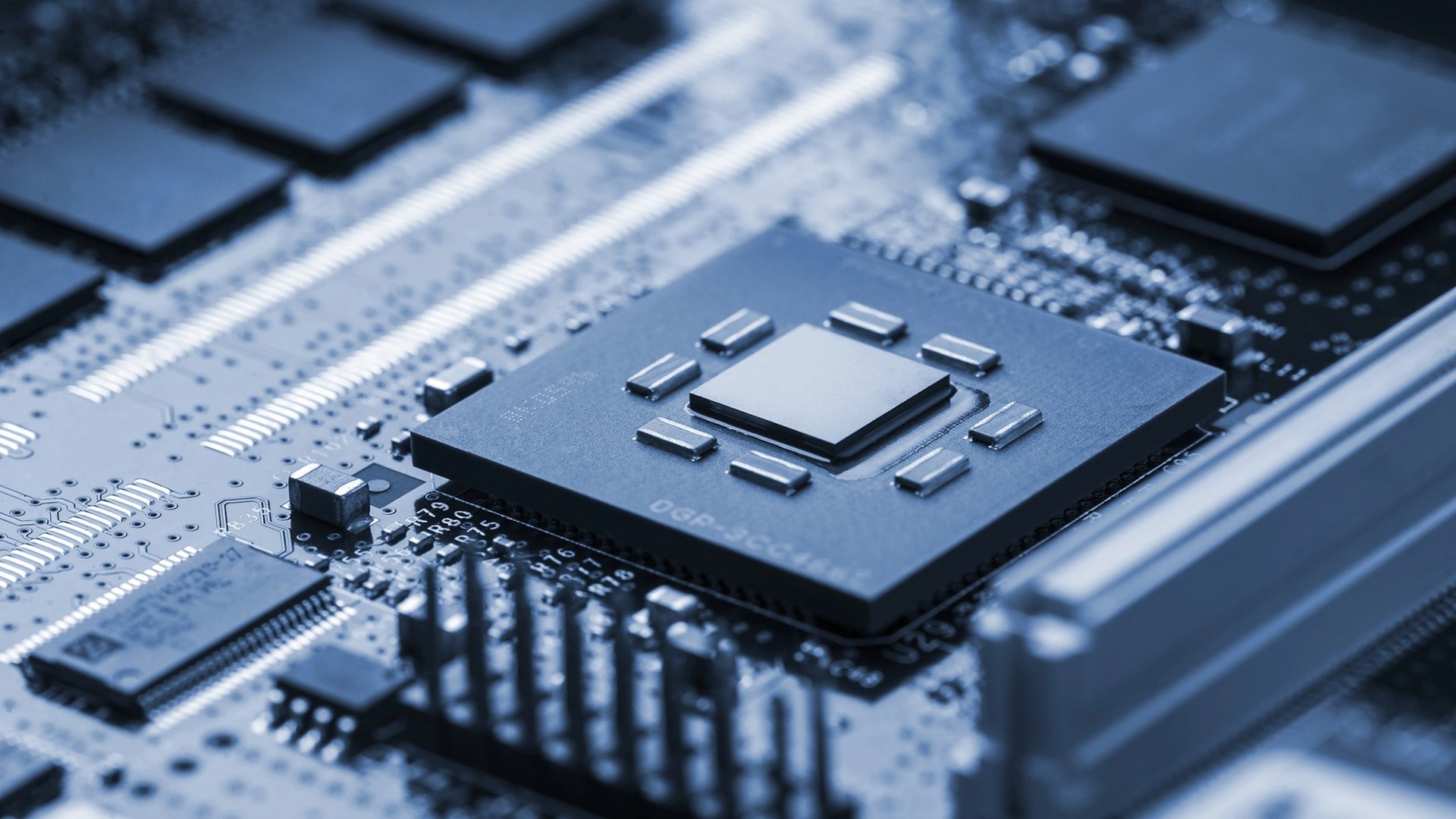





The data centers needed to run AI accounted for about 1.5% of global electricity consumption last year, and the energy consumption of these facilities is expected to more than double by 2030, according to the International Energy Agency. This increase could lead to burning more fossil fuels such as coal and gas, which release greenhouse gases that contribute to warming temperatures, rising sea levels and extreme weather.
But when AI computing power is used to analyze energy consumption and pollution, it can also make buildings more efficient, charge devices at optimal times, make oil and gas production less polluting, and schedule traffic lights to reduce vehicle emissions.
Experts say that if such uses continue to expand, they could help offset the energy consumed by AI.
“I’m pretty optimistic that even though the use of AI is going to continue to increase,” said Alexis Abramson, dean of the Columbia University Climate School, “we’re going to see our ability to process much more efficiently and, as a result, energy consumption won’t increase as much as some are predicting.”
BUILDING EFFICIENCY: MAINTENANCE, COOLING
AI can be used to make buildings more energy efficient by automatically adjusting lighting, ventilation, heating and air conditioning based on weather data, electricity usage and other factors, said Bob French, chief evangelist at building automation company 75F. In the United States, about a third of greenhouse gas pollution comes from homes and buildings.
Letting AI schedule air conditioning and heating based on when workers arrive and leave can be more efficient than manually adjusting the thermostat. Otherwise, a worker’s instinct might be to blow air to quickly adjust the temperature. Automated thermostats can be particularly useful for smaller buildings where it is not cost-effective to overhaul the entire heating and cooling system.
For building ventilation, automation can balance the intake of outside air against the amount of heating or cooling needed to maintain the indoor temperature.
AI can also monitor the maintenance needs of HVAC systems and other equipment to predict and detect breakdowns before they lead to more costly repairs.
Together, these automations can reduce a building’s energy consumption by between 10 and 30 percent, according to experts.
“It’s literally low-hanging fruit,” said Zoltan Nagy, professor of building services at Eindhoven University of Technology.
FINDING ECONOMIC AND ENERGY-EFFICIENT TIMES FOR EV CHARGING
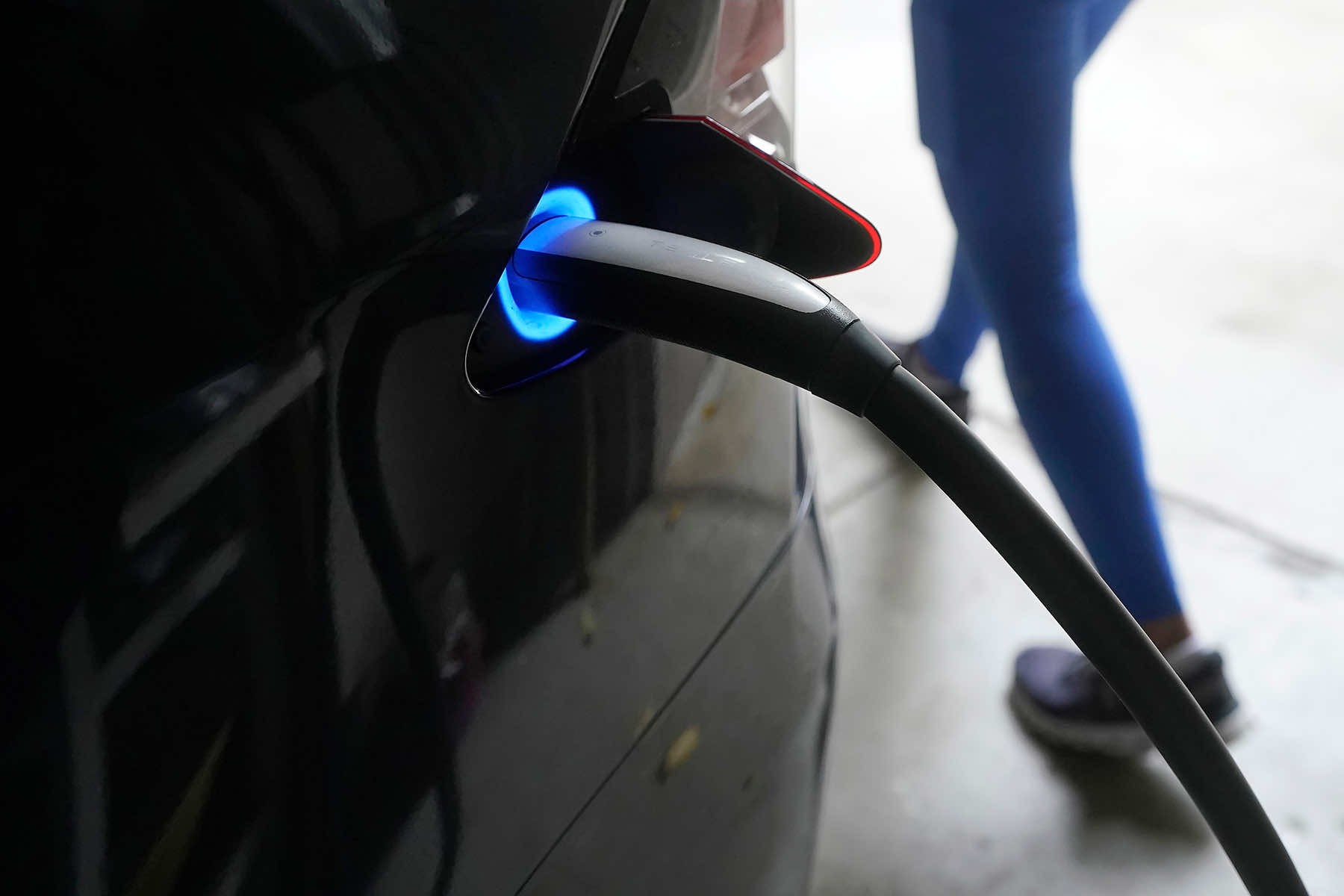
AI can plan the most efficient charging of electric vehicles and other devices such as smartphones.
This means establishing a schedule of when it is best to draw electricity from the grid, such as during the night, when demand and rates are lower, so the grid is less likely to consume more fossil fuels.
“Let’s say it’s a peak period where everyone has the air conditioning on, and I go into my house and I plug my car in and I set it up so that my car doesn’t start charging right away because it’s peak period,” Abramson said.
In California, a pilot program shifted charging to times when there was more renewable energy available, saving customers money.
AI can also help optimize how homeowners with solar panels store excess energy in batteries.
REDUCE METHANE FLARING FROM OIL AND GAS OPERATIONS
Boston-based Geminus AI uses deep learning and advanced reasoning to help oil and gas companies reduce methane flaring and venting, as well as the amount of energy they use for extraction and refining.
Reducing methane emissions is one of the fastest routes to avoiding the worst impacts of climate change, according to the United Nations Environment Program. Methane is a powerful greenhouse gas responsible for around 30% of current global warming.
When pressure in oil and gas lines increases, some of the gas is released and burned to relieve pressure, harming the planet and wasting money.
Geminus CEO Greg Fallon said they can monitor the network of wells and pipelines and use AI-based simulations to suggest changes to compressor and pump settings that eliminate the need for ventilation and flaring. Geminus does it in seconds. Traditionally, it takes engineers about 36 hours to run simulations that make similar recommendations, Fallon added.
“As we scale this project across the industry, there is a huge opportunity to reduce greenhouse gas emissions,” Fallon said.
FIND GEOTHERMAL HOT SPOTS
Zanskar, a geothermal energy startup based in Salt Lake City, has built AI models to understand the Earth’s subsurface. It uses this modeling to find overlooked geothermal hot spots and target drilling.
Geothermal energy creates electricity cleanly by producing steam from the Earth’s natural heat and using it to turn a turbine. It is a renewable energy favored by the Trump administration.
Zanskar co-founders Carl Hoiland and Joel Edwards say they simulate and evaluate a large number of possible subsurface scenarios to estimate where pockets of very warm water exist. From there, they choose the optimal drilling locations and directions.
“AI is becoming the solution to its own energy problem,” said Hoiland, the CEO. “It shows us a way to unlock resources that wouldn’t have been possible without it.”
Last year, Zanskar purchased an underperforming geothermal power plant in New Mexico. Their AI modeling successfully indicated that there was an untapped geothermal reservoir that could replenish the facility.
Hoiland and Edwards then focused on another site in Nevada, although industry experts told them it was too cold to power a large-scale power plant. They drilled and announced their second geothermal discovery in September at this site.
REDUCE TRAFFIC EMISSIONS
Google uses artificial intelligence and Google Maps data to identify traffic light adjustments that can reduce stop-and-go traffic to reduce pollution. Passenger cars and small trucks account for about 16% of U.S. greenhouse gas emissions, according to data from the Environmental Protection Agency.
Launched in 2023, the Green Light Project is now present in 20 cities on four continents. The newest is Boston, where traffic is notoriously bad.
Each city receives AI-generated recommendations. City engineers determine which ones to implement. Google says Project Green Light can reduce stop-and-go traffic by up to 30%, reducing emissions by 10% and improving air quality.
“We’re just scratching the surface of what AI can do,” said Juliet Rothenberg, Google product director for Earth and Resilience AI.