



When artificial intelligence emerged as a marketing tool, I felt threatened. Not by replacement, but by the idea that others might think that AI could replace the basic work we do as communicators. The more I watched professionals rely on AI without critical thought, the clearer it became: artificial intelligence is exactly what the name suggests. It lacks the true intelligence, emotion and originality that define exceptional communication.
AI saves time. It’s his job. But that can’t – and should never – create the authenticity that audiences actually trust.
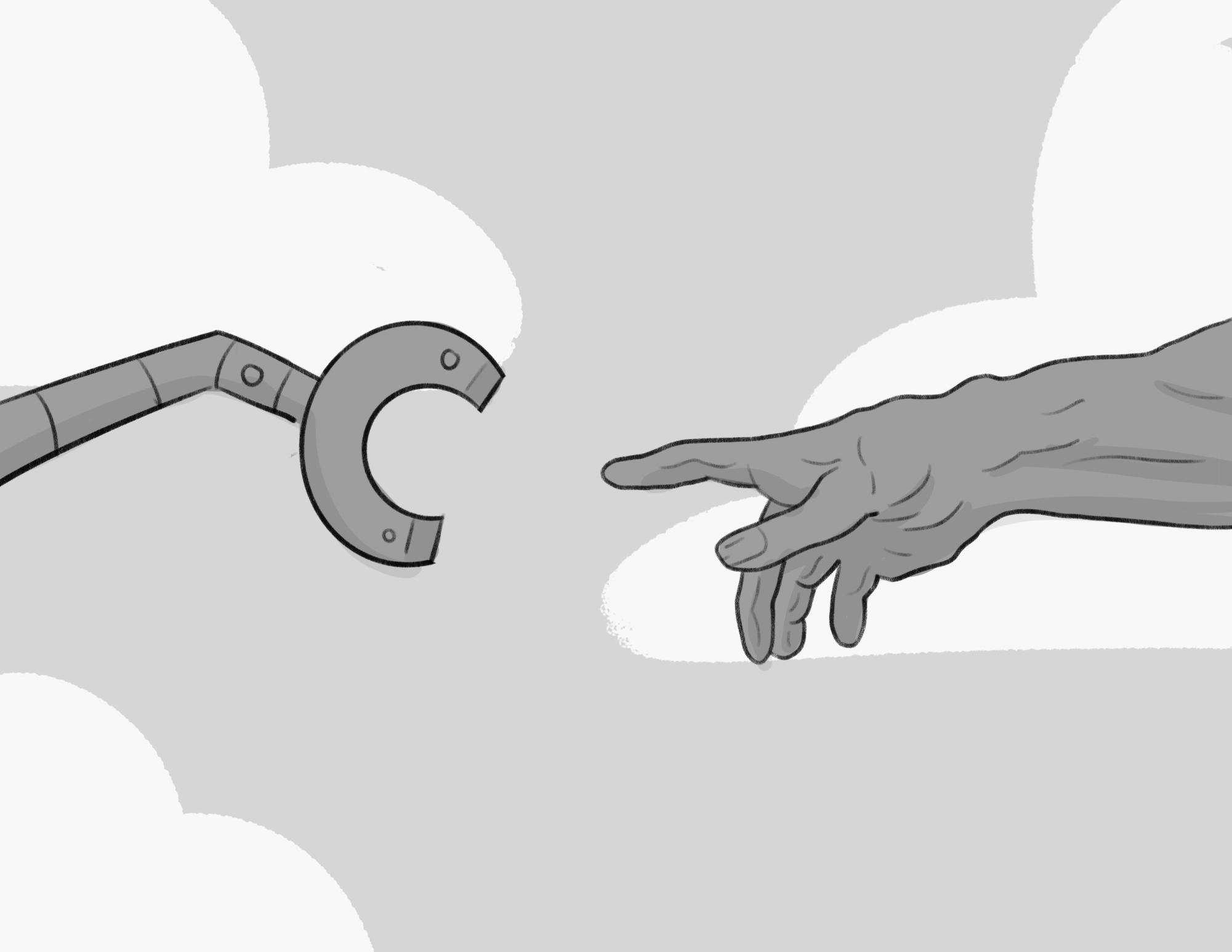
True storytellers, writers and strategists are irreplaceable. We have credentials that machines cannot: lived experience, cultural understanding, emotional intelligence and the ability to connect with audiences on a human level. AI can support our work by organizing ideas, developing frameworks, and managing administrative tasks. What it can’t do is deliver the message with strategy, tone, timing and truth.
When marketing messages all flow through the same AI tools, the result is often generic, hollow and sometimes factually incorrect, with hallucinations, clichés and discreet errors that erode trust. Effectiveness may increase, but credibility suffers.
This is why authenticity is more important than ever in marketing communications. An authentic voice means bringing a real human perspective to every message, shaped by lived experience, values and context. The public does not respond to perfect copy; they respond to stories that feel real and relevant. Brands that look like everyone else ultimately look like no one.
Your journey, your point of view, your way of seeing the world, all of this cannot be reproduced. It’s not something that needs to be protected less; it is something to be protected more. Tone, cultural awareness and emotional intelligence are the elements that build lasting brand trust. These come from human discernment and not from algorithmic models retrieved from the Internet.
There are many cases where AI works and where it fails. AI is useful for brainstorming, organizing, summarizing, and writing, freeing up your energy for what machines can’t do: checking for accuracy, verifying sources, injecting your voice, and ensuring ethical representation. As soon as professionals rely on AI without critical thinking, they lose the skills that make them valuable.
Communicators entering this field have a responsibility: check the facts, verify, control the narrative, and ensure that your final work is credible and unmistakably yours.
I think the future belongs to human leadership.
The future of communications and marketing is faster, yes. Technology will constantly evolve, yes. But machines break down, trends fade, and AI tools go out of style. Real human stories continue to grow, adapt, and connect over time.
The message is simple: you control the AI. The AI does not control you.
Communications professionals must remain at the center of this work, using technology as a tool while maintaining authority over meaning, ethics and creativity. Let machines handle the busy work. Your job is to protect your authentic voice, share real stories, and make connections that only humans can make.
Because in a world of generic content, authenticity is not a luxury. This is a competitive advantage that no algorithm will ever be able to replicate.