




Artificial intelligence (AI) is also entering the race 2026 Winter Olympics in Milan Cortina, Italy, which runs through February 22, bringing a layer of artificial intelligence to an event long defined as a showcase of human performance.
From athlete training and broadcast production to fan engagement and judging, AI systems are increasingly integrated into the way games are prepared, experienced and evaluated.
Training Advantage for Olympic Athletes
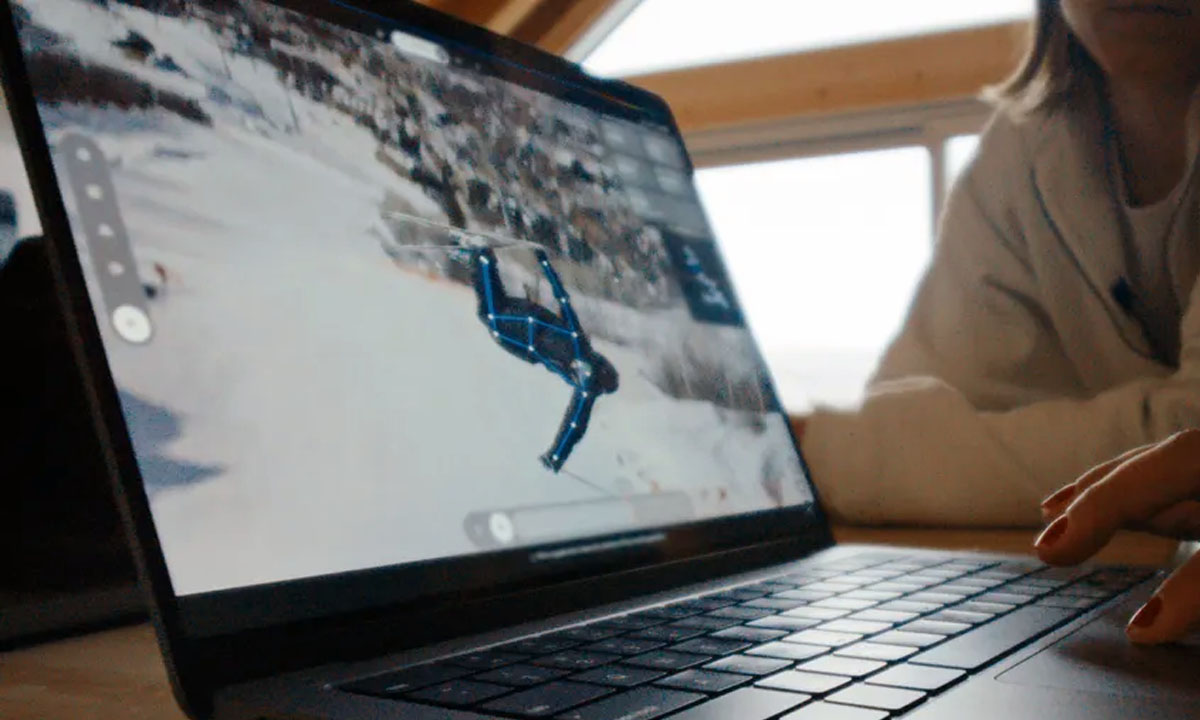
For elite athletes, microsecond gains often separate podium finishes from near misses. This reality is leading to the adoption of an AI-based performance analysis tool developed through a collaboration between Google Cloud And Skiing and snowboarding in the United States. The system uses computer vision and large language models to convert ordinary video footage into detailed biomechanical information, allowing coaches and athletes to analyze rotations, takeoff angles, airtime and landings without specialized motion capture equipment.
Technology has already influenced Olympic preparation. Snowboarder in halfpipe Maddie Mastroknown for her “paralyzer” trick, used the AI system to identify subtle flaws in arm positioning during landings that were not apparent during traditional video review. By adjusting technique based on AI feedback, athletes can make data-driven improvements earlier in training cycles, reducing the reliance on trial and error as competition approaches.
“Our collaboration with US Ski & Snowboard is the model for a global shift in how humans move, train and recover, going beyond historical data to provide athletes with prescriptive coaching in near real-time,” said Olivier ParkerVice President, Global Generative AI, Google Cloud, in a statement.
Beyond individual athletes, the tool signals a broader shift in the way national teams approach training. Cloud-based AI enables performance analytics to be performed faster, more consistently, and at lower cost, potentially narrowing the gaps between well-funded programs and those with fewer resources.
Advertisement: Scroll to continue
AI for the Olympic digital experience
AI at the 2026 Olympics is about more than athlete performance. Technology has also been integrated into the way matches are experienced by spectators, officials and broadcasters.
Alibaba Cloud has announcement a suite of AI tools built on its large Qwen language model which will be integrated into the digital ecosystem of the Milano Cortina Games. These “AI Olympic Assistants” will be deployed across the International Olympic Committee’s (IOC) global platforms to provide multilingual conversational support to fans seeking real-time schedules, results and event information via chat interfaces.
Beyond fan engagement, the same AI models will also support internal Olympic operations. On the IOC’s secure portals, AI assistants will help National Olympic Committees access documents and guidelines via natural language queries, a first for LLMs in the Olympics digital infrastructure.
Alibaba’s AI initiatives also include improved streaming technology. AI-powered replay systems promise faster, more insightful visual breakdowns of events across multiple sports, allowing broadcasters to deliver compelling, near-live replays that isolate athletes from complex backgrounds like snow or ice. This could help viewers better appreciate technique and speed in disciplines like freestyle skiing, figure skating and ice hockey.
From subjective appeals to objective data
For sports in which subjective judging plays an important role, such as skiing, snowboarding and figure skating, the IOC is investigating AI systems to help judges make more consistent, data-driven assessments.
According to The conversationAI systems being explored for Olympic judging focus on breaking down complex sports movements into measurable components, providing officials with a data-driven reference point in events where scoring has historically depended on human interpretation.
For example, AI systems can measure body angles, rotation speeds, and airtime with precision that exceeds the human eye, thereby flagging possible scoring issues or technical details that might otherwise go unnoticed. These tools aim to augment human decision-making by providing unbiased measurements that reduce errors and promote fairness in competitive outcomes.
For all PYMNTS AI and digital transformation coverage, subscribe daily Newsletters on AI and digital transformation.