



Analyst(s): Keith Kirkpatrick
Publication date: February 11, 2026
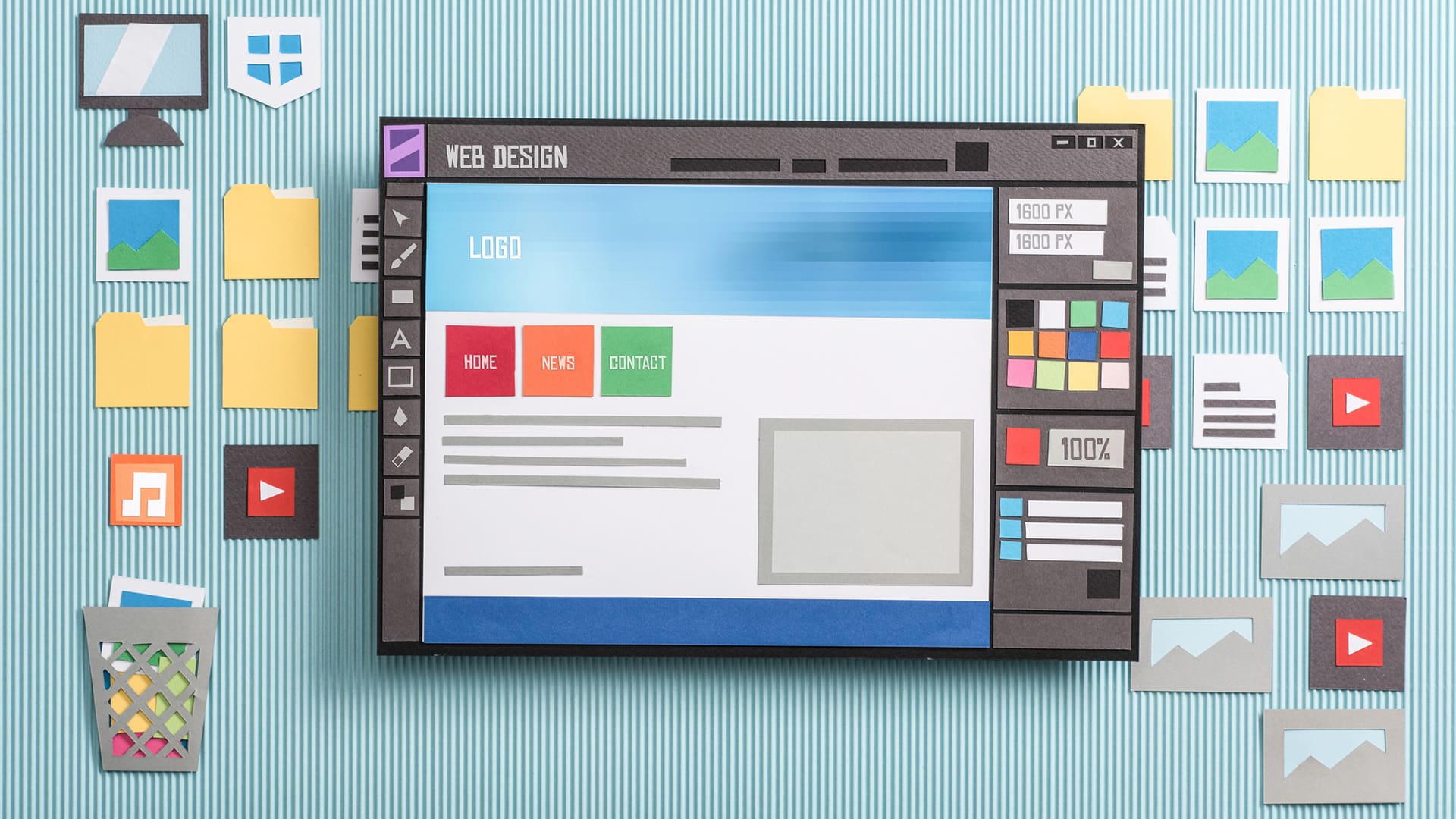
Canva has expanded its Claude AI connector to enable the generation of on-brand designs directly within Claude conversations, allowing teams to create branded presentations and visuals without leaving the AI chat interface. The move addresses a critical sticking point for enterprise users: quickly maintaining brand consistency. The integration marks a shift toward native, AI-powered workflow design tools that could reshape how organizations approach content creation and collaboration.
What is covered in this article:
- How Canva’s Expanded Claude AI Connector Powers Brand-Aware Designs in AI Chat Workflows
- Strategic implications for enterprise teams seeking speed and brand consistency
- Competitive dynamics as Canva extends similar capabilities to other AI assistants such as ChatGPT and Microsoft Copilot
- Broader industry trends toward integrating content design and creation directly into conversational AI platforms
News: Canva announced an expansion to its Claude AI connector, introducing on-brand design generation capabilities that allow users to create branded presentations and visuals directly within a Claude conversation. This builds on the existing integration, which already allows users to generate, edit, search and summarize Canva designs through natural language, eliminating the need to switch between tools. With this new feature, teams can apply their brand kit, including colors, fonts, and voice, when generating designs in Claude, ensuring brand consistency from the first draft. Canva also previewed similar upcoming integrations for other AI assistants, including ChatGPT and Microsoft Copilot.
Will Canva on-brand AI design set a new standard for content creation?
Analyst take: Canva’s move to integrate brand design generation directly into Claude AI conversations represents a crucial evolution in enterprise content workflows. Addressing the long-standing challenge of balancing speed and brand consistency, Canva positions itself as an essential tool for teams that demand both agility and professionalism in their communications. This integration is likely to accelerate the adoption of AI-driven design tools across the enterprise landscape.
From AI Speed to Brand Consistency: Closing the Workflow Gap
Historically, the promise of AI-generated content has been tempered by the practical reality that results often require significant post-processing to align with brand guidelines. Sales and marketing teams, in particular, struggled to use fast but low-tech AI tools, leading to wasted time due to reformatting and manual branding.
Canva’s brand design generation within Claude directly addresses this problem by allowing users to apply their brand kit at the time of creation, ensuring that layouts, presentations and campaign materials reflect the approved colors, fonts and tone from the start. This approach not only reduces friction, but also increases trust in AI-generated content, making it more likely to be adopted at scale by professional teams. The move aligns Canva’s offerings with those of competitors such as Adobe (with Firefly and Express), Microsoft Designer, and Google Workspace, all of which are working to integrate AI-driven design capabilities into productivity workflows.
AI-Driven Workflows and the Rise of Embedded Design Platforms
Canva’s strategy to integrate multiple AI assistants, including Claude, ChatGPT, and Microsoft Copilot, signals a broader industry trend: design and content creation are moving from standalone applications to the core of conversational AI workflows. By allowing users to brainstorm, iterate, and finalize brand visuals without leaving AI chat, Canva is redefining what it means to be a design platform in the age of ubiquitous AI assistants. This approach not only streamlines collaboration, but also positions Canva as a connective tissue between the company’s knowledge work and creative output.
As more organizations adopt AI-driven workflows, the ability to maintain a consistent visual identity across all rapidly produced content will become a key differentiator. Competitors like Figma (with AI-powered FigJam features) and Notion (with Notion AI) are also exploring integrated creative experiences, but Canva’s focus on brand integrity and cross-assistant compatibility gives it a unique advantage in an evolving ecosystem.
What to watch:
- Adoption rate of Canva’s brand design generation within Claude among enterprise teams
- Expansion and user feedback as Canva rolls out similar integrations with ChatGPT and Microsoft Copilot
- Competitive responses from Adobe, Microsoft, Google and Figma as AI-driven design integrates deeper into workflow tools
- Impact on brand governance and content approval processes as AI-generated brand assets become the default
See the blog post announcing these features on the Canva website.
Disclosure: Futurum is a research and consulting company that engages or has engaged in research, analysis and advisory services to many technology companies, including those mentioned in this article. The author has no ownership interest in any company mentioned in this article.
The analysis and opinions expressed herein are specific to the individual analyst and the data and other information that may have been provided for validation, and not to those of Futurum as a whole.
Other ideas from Futurum:
Enterprising Insights, Episode 15: Generating Text to Images for Business
Is SaaS threatened by AI automation?
Will vendors enable more complex agentic workflows in 2026?
Keith Kirkpatrick is Vice President and Research Director, Enterprise Software and Digital Workflows for The Futurum Group. Keith has over 25 years of experience in research, marketing and consulting.
He has authored in-depth reports and market forecasting studies covering artificial intelligence, biometrics, data analytics, robotics, high-performance computing and quantum computing, with a particular focus on the use of these technologies within large enterprises and SMEs. He has also established strong working relationships with the international technology vendor community and is a frequent speaker at industry conferences and events.
During his career as a financial and technology journalist, he has written for national and trade publications including BusinessWeek, CNBC.com, Investment Dealers’ Digest, The Red Herring, The Communications of the ACM, and Mobile Computing & Communications, among others.
He is a member of the Association of Independent Information Professionals (AIIP).
Keith holds a dual Bachelor of Arts degree in magazine journalism and sociology from Syracuse University.