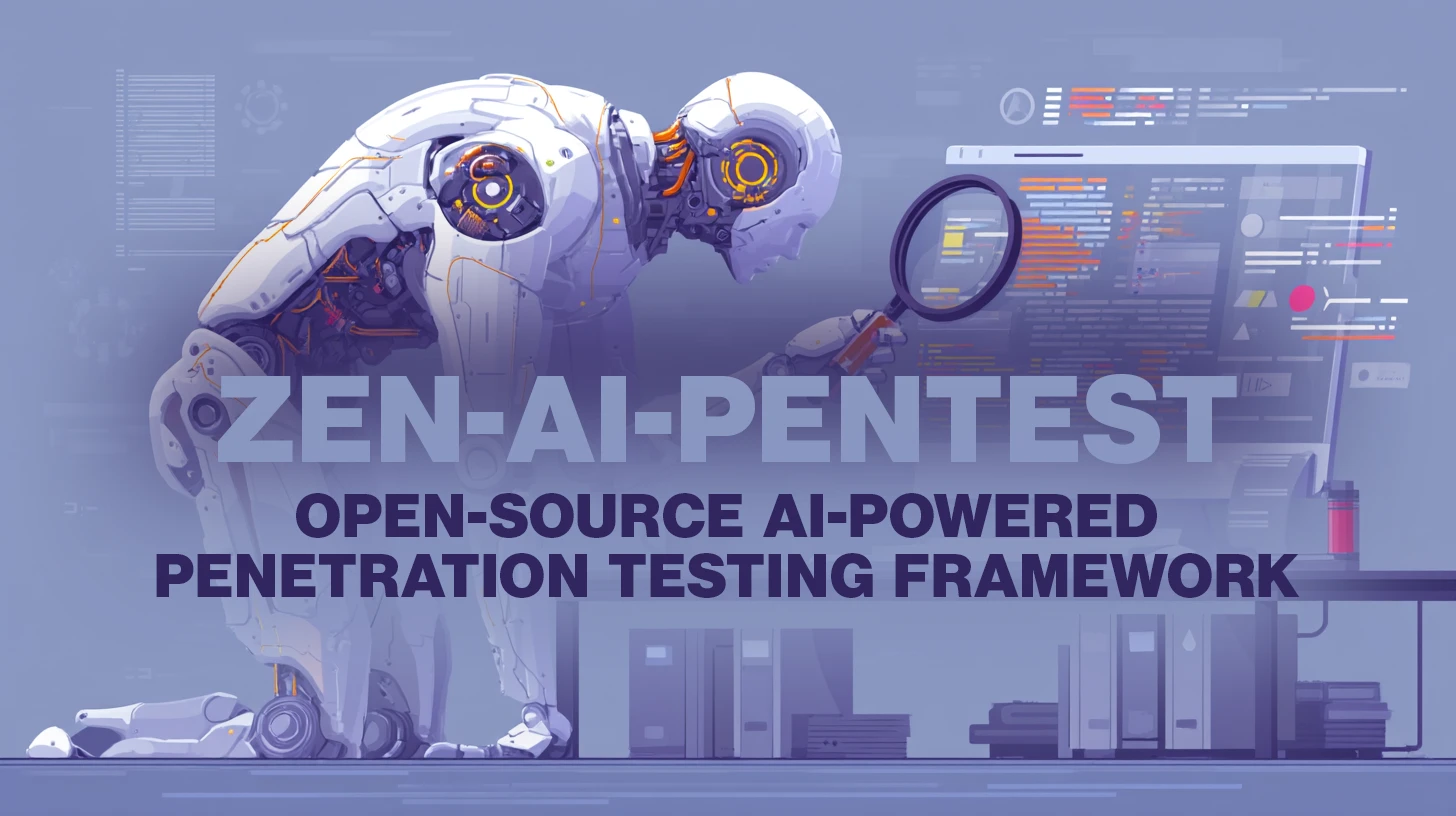




Cloudflare’s decision to integrate AI startup Human Native into its stack marks a turning point: licensed, structured content could become the basis of a more sustainable AI economy.
Although the ink is fairly fresh on the acquisition, announced Jan. 15, several media experts and publishers view it as a signal of how Cloudflare plans to help build infrastructure for the AI content economy.
And Human Native’s platform addresses a critical part of the AI pay fight that publishers have faced thus far: incentives for AI developers to opt-in.
What Cloudflare is actually trying to build with Human Native
Cloudflare efficiently builds an AI licensing stack for its publisher customers. UK-based Human Native helps turn publishers’ content into AI-ready data and makes sure the people who created it get paid.
This is an avenue that Cloudflare has already explored, launching a private beta for a new type of web index, called AI Index., designed to help creators make their content AI-friendly by providing AI developers with higher quality data and fair compensation for creators. The tool, announced last September, shows promising potential, said Will Allen, Cloudflare’s vice president of publisher products, although he did not reveal details.
Integrating Human Native’s team and platform strengthens this capability under a shared mission, Allen emphasized. “We need a lot of collaborators, and that really means moving things forward with better control for publishers, better control for content creators, and better content – better data – for AI companies,” he told Digiday.
This is the latest in a series of moves by Cloudflare to address the imbalance between publishers and AI companies that had ripped off their content for free to train their LLMs.
Over the past year, a slew of new products from Cloudflare, including Default Bot Blocking, Content Signals Policy, Pay-Per-Crawl Tools, and AI Index, have signaled the direction it is taking in building an AI-ready infrastructure that helps publishers monetize content, control access, and ensure fair compensation when their work is used by AI developers.
But blocking AI crawlers isn’t enough for publishers: To turn content into a sustainable revenue stream, AI developers need real incentives to sign up and pay for access.
How would this incentivize AI companies to sign up?
AI developers can’t rely on scraping forever: Without licensed content, models risk poor-quality training, regulatory backlash, and strained relationships with publishers and creators whose work powers their products. To date, it has been difficult to get the majority of AI developers to pay, except for the largest (OpenAI and, more recently, Meta), and they have deeper incentives than ethics: legal risk mitigation.
“The web is messy, and there’s a lot of unstructured, unlabeled content that’s thrown into training these models and effectively churned until something useful comes out,” said James Smith, co-founder of Human Native. “You can save a lot of time and effort and achieve superior results if you integrate better, more structured data. »
This got the Human Native team to start thinking about their challenges and what might get them to join the table, instead of trashing the free buffet of content available on the web. Ethics and legality aside, it’s ultimately not good for their own products to do so, he stressed.
Smith pointed to one client, who he would not name but described as a UK-based AI startup. This AI company, like most, had gobbled up every video available on the Internet to train its models. Human Native began providing them with high-quality data from UK video production companies that were working on Hollywood films featuring big talent. The result was that the AI model was able to ingest a quality and depth of data and metadata, organized and structured at a level it had never experienced before, according to Smith.
And how well is the editor paid?
This particular video production company typically operates on a project-by-project basis, often on tight budgets. Typically, these companies hire large crews for a single major project, such as a Hollywood production, and then the staff moves on to other short-term gigs to fill their schedule. But working with the AI developer for AI royalties meant the studio was able to keep its facilities active during the gaps between major projects and provide constant employment for staff. Additionally, the work was structured via contracts that mirrored the way the films handled royalties: all artists involved received royalty-style payments whenever the resulting datasets were used for AI training, according to Smith.
“I think it gives you a glimpse of what the future can be here, where everyone will benefit, where AI companies will get something better and where creators will get something in return for their hard work,” he said.
The production company received an upfront payment and then a bonus tied to that AI company’s revenue goals, although Smith did not reveal specific figures.
Smith said the team has since learned that it can be more aggressive with publisher payment terms, having seen how, in their first deals, AI companies exceeded those revenue targets quite quickly, meaning it took less than 12 months before they hit bonus targets and then were able to provide the second tranche of payments to creators. “If I made these deals today, I would implement a more aggressive revenue target bonus payment structure, because I think AI companies are growing incredibly quickly,” he added.
Can this be enough to encourage the biggest players in LLM?
Time will tell. “I think they [Human Native] have reserved this niche for small LLMs and people who want good data and want to be ethical about it or who don’t have the teams or the money to claw their way into this content,” said Scott Messer, principal and founder of publisher consultancy Messer Media.
“We still need commercial mechanisms to do things legally, you can’t keep shouting ‘this is illegal, I don’t want you to do this’ – which is what we’re doing now with LLMs – we’re suing them and blocking them.” A market like Cloudflare’s with Human Native could help solve this problem, he added.
The end of AI scratching the Wild West – or just a new guardian?
Let’s not get carried away. There are many reasons to like an acquisition, but at its core it’s just good business, said David Buttle, founder of media consultancy DJS Strategies and former head of platform strategy at the Financial Times. Publishers may fear a Cloudflare monopoly, but control of 21% of sites falls far short of Google’s dominance, although it’s still a significant share.
Buttle views the acquisition as a tactical move to improve Cloudflare’s CDN solution and expand its customer base, rather than a significant market play. “Their solution is vendor locked, so you can’t access their marketplace if you’re not on Cloudflare. »
But this lack of monopoly means that publishers run little risk. “If it sets standards by which intellectual property is paid for when it is developed and deployed by AI applications, then that is only a positive thing.” He added that the AI content industry is still in its chaotic early days, reminiscent of the ad tech boom that publishers faced in the early 2000s. “We still have to create the market. The market isn’t really there at the moment.”
Distribution of ‘leaky’ content could lead to LLM workarounds
Even with safeguards in place, some publishers worry that even with better licensing and AI protections, content will continue to leak across the web, ending up repurposed or appearing on long-tail sites — a problem they’ve struggled with for years, whether it’s MFA programs or low-quality copy. This long history of content leakage also makes it easier for LLMs to absorb and reuse content from publishers without ever compensating the original source.
“Content discovery and distribution is very slippery,” said Tom Bowman, a media consultant and former vice president of revenue operations for BBC Studios. “Some original publishers are sometimes complicit in allowing this to happen, and in other cases they are very unhappy about it. The danger is that it’s sort of all or nothing – the publishers have to do it, because if a few of them do it, then people [LLMs] could get around them.