



AI chatbots can answer questions and summarize documents, but they are still designed for one user at a time. Now a new startup called Humans& is betting that coordination, not conversation, is the next major frontier in artificial intelligence. Founded by alumni of Anthropic, Meta, OpenAI, xAI and Google DeepMind, the three-month-old company just raised a $480 million round to create core models designed for social intelligence and multi-user collaboration – not just information retrieval.
Humans and just became one of the most well-funded AI startups you’ve never heard of. The three-month-old company launched a colossal $480 million funding round this week, and it doesn’t even have a product yet. What it does have is an all-star founding team Anthropic, Meta, OpenAIxAI and Google DeepMind – and a bold thesis that the entire AI industry is on the verge of moving from chatbots to coordination systems.
“It’s like we’re ending the first scaling paradigm, where Q&A models were trained to be very intelligent in particular verticals, and now we’re entering what we think is the second wave of adoption,” said Andi Peng, co-founder and former employee of Anthropic. TechCrunch. The average user is trying to figure out what to do with all these AI tools, she said, and that’s where Humans& comes in.
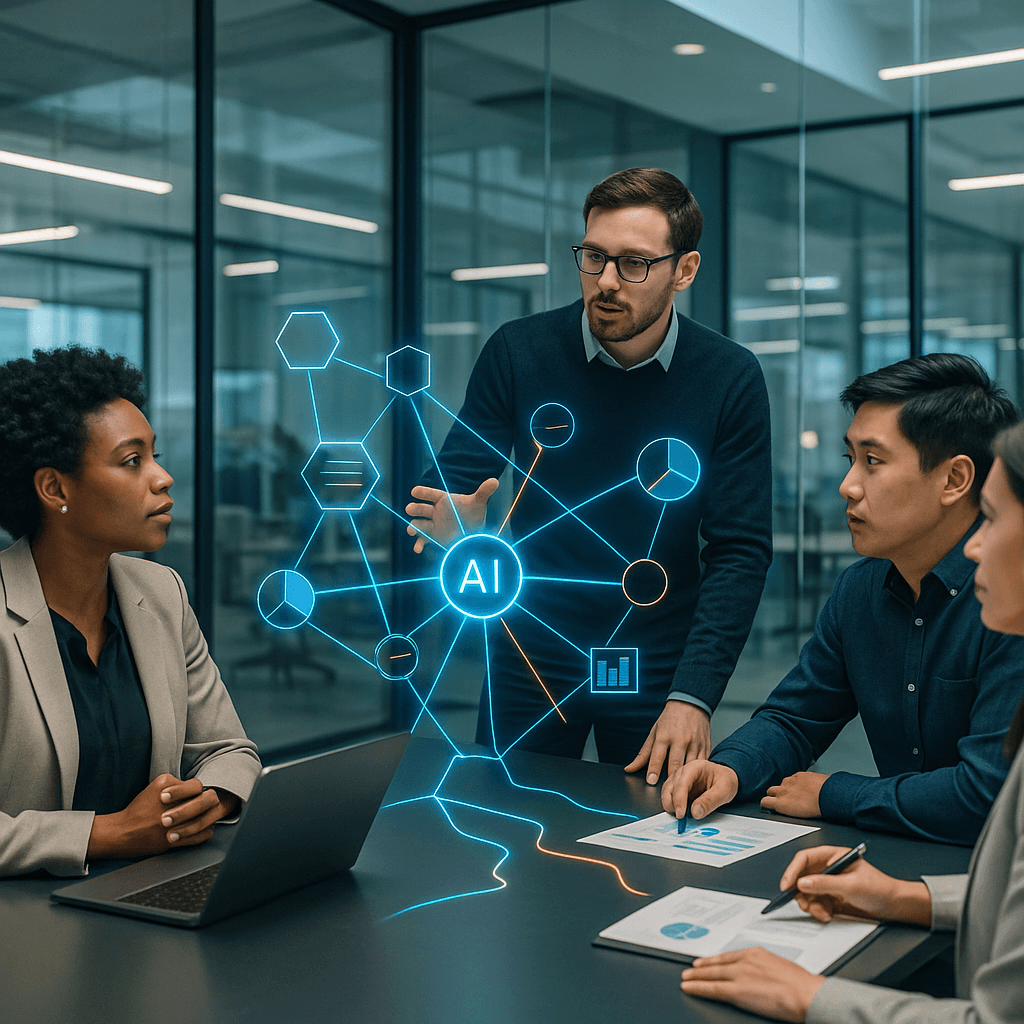
The pitch is simple but ambitious: current AI models are optimized for single-user tasks like answering questions or generating code. They are not designed to handle the more complicated and valuable work of coordinating teams, tracking decisions over time, or balancing competing priorities among multiple stakeholders. Humans& wants to build a “central nervous system” for organizations – a core model specifically trained for social intelligence and group collaboration.
CEO Eric Zelikman, a former xAI researcher, pointed to something as mundane as the choice of a company logo to illustrate the problem. “When you have to make a decision as a large group, it often comes down to someone putting everyone in one room, forcing everyone to express their different camps,” he told TechCrunch, laughing as his team recalled the tedious process of aligning everyone on their own brand.